Noble Rot Wine
Last Modified
2026-03-14 01:41
Noble rot wine is a sweet dessert wine made from grapes infected with a specific fungus called Botrytis cinerea, which causes their moisture to evaporate and their sugars to become extremely concentrated.
The term “noble rot,” meaning a prized form of decay, derives from its paradoxical nature: although the fungus discolors the grapes and leaves them unsightly, the resulting wine develops refined and elegant flavors.
It is characterized by natural sweetness and complex aromas produced by the concentration of the grapes’ own components, without the artificial addition of sugar.
Formation Principles and Process
The creation of noble rot wine depends on a delicate interaction between microorganisms and the environment.
Fungal penetration: Botrytis cinerea creates microscopic holes in the grape skins, allowing moisture to evaporate.
Concentration of components: As moisture escapes, the grapes shrivel like raisins, concentrating their sugars, acidity, and flavor compounds to several times the levels found in ordinary grapes.
Metabolic products: The fungus reacts with components in the grapes to produce glycerol, which gives the wine its distinctive smooth, oily, and refined texture.
Essential Climatic Conditions
Noble rot wine can be produced only when nature permits, and the following exacting conditions must occur simultaneously.
Humid mornings: Humid morning conditions, such as fog developing near rivers or lakes, promote the growth and penetration of the fungus.
Dry afternoons: Warm sunlight and dry winds are needed in the afternoon to prevent “gray rot,” which causes the grapes to decay completely, while allowing only their moisture to evaporate effectively.
Flavor and Tasting Characteristics
Complex aromas: Distinctive and rich aromas such as honey, dried apricot, quince, ginger, saffron, and beeswax emerge.
Balance with acidity: Despite the very high sugar content, concentrated acidity supports the wine, creating a balanced flavor that does not become cloying.
Color: It has a deeper golden color than ordinary white wine, developing into amber or copper hues as it ages.
Major Producing Regions and Their Characteristics
Sauternes, Bordeaux, France: Sémillon is the primary grape variety, and Château d’Yquem has a worldwide reputation. The wines are characterized by a full body and notable potential for long-term aging.
Tokaji Aszú, Hungary: One of the first regions in the world to establish regulations for noble rot wine, it is known for the high acidity and complexity of the Furmint grape. It uses the “puttonyos” system as a measure of sweetness.
TBA from Germany and Austria: Made primarily from Riesling, these wines display exceptionally intense acidity and pure fruit aromas. They are classified in the highest concentration category.
Production Limitations and Value
Low yield: Yields are extremely small, sometimes amounting to only one glass of wine per vine, making the wine very rare.
Manual harvesting: Mechanical harvesting is impossible because only grapes with the appropriate degree of fungal growth must be selected. Skilled workers pass through the vineyard several times and harvest each grape individually by hand.
Climate risk: Even a slight deviation in climatic conditions can cause the fungus to destroy the grapes completely, creating the substantial risk that production for the entire year will have to be abandoned.
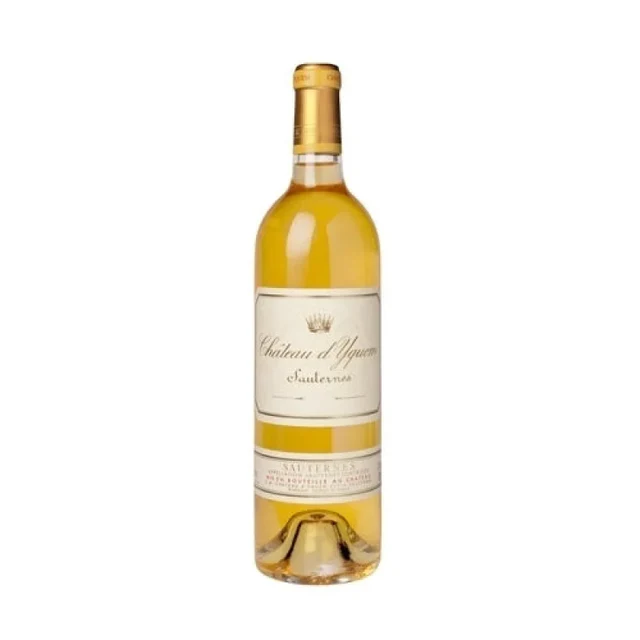
[Château d’Yquem: a noble rot wine produced in Sauternes, Bordeaux, France]
Parent Articles